Injection vs Thermoforming – How to Choose the Right Filler Masterbatch?
In plastic manufacturing, selecting the correct filler masterbatch for each production technology is critical to ensuring stable processing, cost optimization, and consistent product quality.
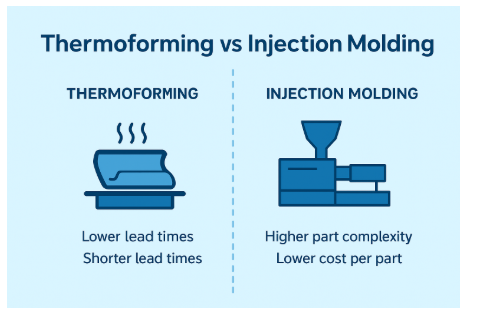
Two of the most common processing methods worldwide are Injection Molding and Thermoforming. Although both use calcium carbonate (CaCO₃) filler masterbatch, their technical requirements are very different.
This guide explains how to choose the right PE filler masterbatch or PP filler masterbatch depending on your application.
1️⃣ Filler Masterbatch for Injection Molding – Higher Melt Flow Index Required
Injection Molding Process Characteristics
- Molten plastic is injected into a closed mold under high pressure
- Fast production cycle
- Requires excellent material flow to fill thin or complex mold cavities
Why Injection Needs Higher MI
Melt Flow Index (MI) measures how easily a polymer flows when melted.
In injection molding:
- Low MI → poor mold filling
- Uneven filler dispersion → flow marks, surface defects
- Slow cycle time → higher production cost
👉 Therefore, injection-grade filler masterbatch should have:
- Higher MI compared to thermoforming grades
- Stable CaCO₃ loading (typically 70–80%)
- Excellent dispersion to avoid screw blockage
- Low moisture content
Typical Applications:
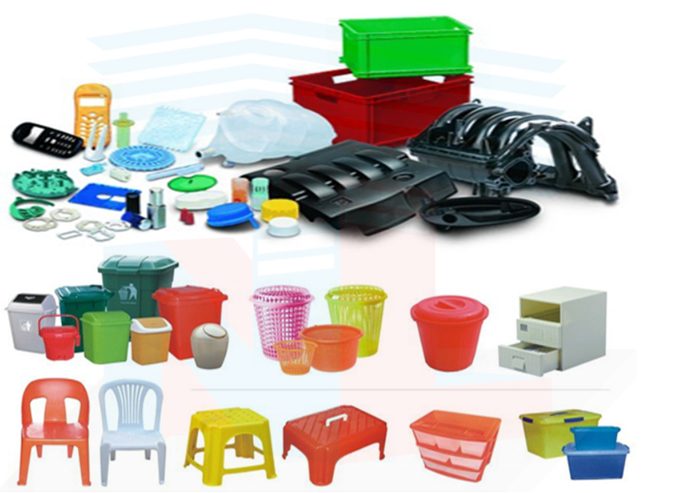
- Household plastic products
- Buckets and containers
- Technical parts
- Furniture components
For exporters targeting the Middle East, India, or Russia, consistent flowability is especially important due to high-speed injection machines.
2️⃣ Filler Masterbatch for Thermoforming – Superior Dispersion is Key
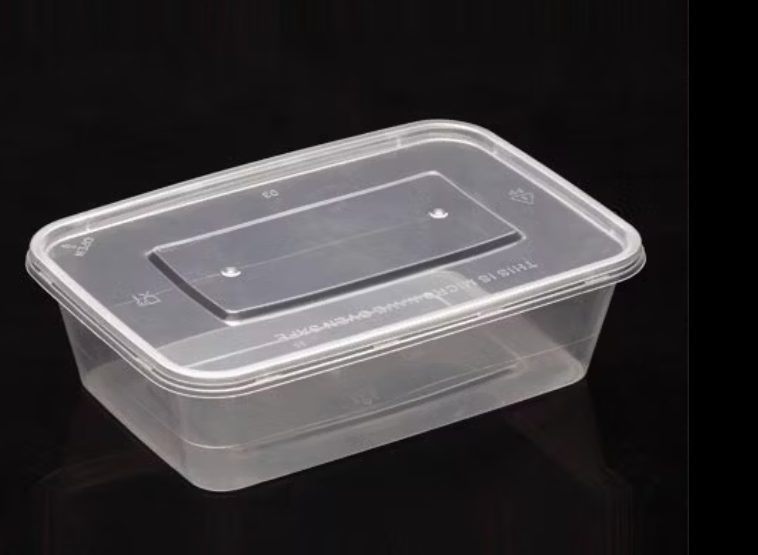
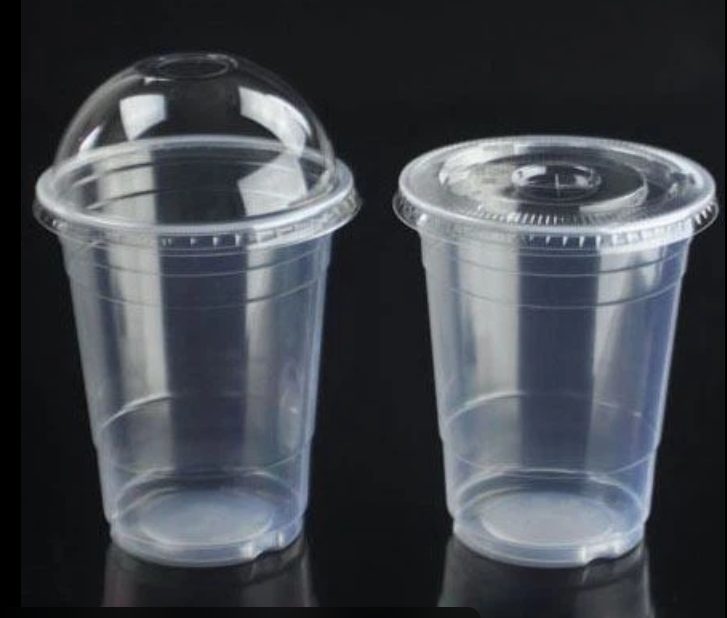
Thermoforming Process Characteristics
- Plastic sheet extrusion comes first
- The sheet is reheated
- Vacuum or pressure forming creates the final shape
Why Dispersion Matters More in Thermoforming
During sheet extrusion and stretching:
- Poor CaCO₃ dispersion → sheet tearing
- Agglomerates → white spots and weak points
- Uneven mechanical strength → cracking during forming
👉 Thermoforming-grade filler masterbatch should provide:
- Excellent dispersion quality
- Controlled particle size
- Low moisture
- Balanced MI (not necessarily as high as injection grade)
- CaCO₃ loading typically between 75–85%
Common Thermoforming Applications:
- Food trays
- Disposable cups
- Fruit containers
- Thin-wall packaging
For export markets, especially food packaging applications, stable mechanical properties and smooth surface appearance are critical.
3️⃣ PE Filler vs PP Filler – Which One Should You Choose?
Criteria | PE Filler Masterbatch | PP Filler Masterbatch |
Carrier Resin | LDPE / HDPE | Polypropylene |
Main Applications | Film blowing, bags | Injection, thermoforming |
Rigidity | Moderate | Higher stiffness |
Impact Strength | Good | Moderate |
Compatibility | PE virgin resin | PP virgin resin |
Choose PE Filler If:
- You produce plastic films or shopping bags
- Flexibility is required
- The base polymer is LDPE or HDPE
Choose PP Filler If:
- You manufacture injection molded products
- You produce thermoforming trays
- Higher stiffness and dimensional stability are needed
Using the correct carrier resin ensures compatibility, better dispersion, and optimized cost efficiency.
4️⃣ How the Right Filler Masterbatch Reduces Production Cost
A properly selected calcium carbonate filler masterbatch helps:
- Reduce raw material cost
- Improve stiffness and dimensional stability
- Increase output rate
- Maintain consistent product quality
However, choosing the wrong grade can result in:
- Surface defects
- Poor mechanical strength
- Machine downtime
- Higher rejection rates
For export-oriented manufacturers, technical consistency is not optional — it is a competitive advantage.
Final Recommendation
There is no “one-size-fits-all” filler masterbatch.
✔ Injection molding → Higher MI, stable flow ✔ Thermoforming → Superior dispersion, controlled stretching performance ✔ PE filler → Best for film and flexible applications ✔ PP filler → Ideal for injection and thermoforming rigid products
If you are looking for a reliable filler masterbatch manufacturer in Vietnam with export experience in the Middle East, Russia, India, and Southeast Asia, choosing a supplier that understands your processing technology is essential.
Please feel free to contact us for further information.